Featured

Prevalent False Beliefs Regarding Financial counseling for veterans in South Carolina who have multiple high interest debts Things To Know Before You Get This
Table of Contents
That frees up cash in the short-term, and you may have three to 4 years to save towards the settlement amount. Extremely hazardous to credit rating, largely due to missed out on repayments and a negative "cleared up" mark that could remain on your debt record for approximately seven yearsMay be just option if other alternatives (financial debt consolidation, balance transfer credit report cards, financial obligation mercy) aren't possibleTypically requires a fee to the 3rd party, which could balance out some or all of the cost savings from financial obligation settlementMay help you prevent insolvency if you've missed numerous paymentsNot all lenders collaborate with financial obligation negotiation companies Financial obligation mercy might be ideal for you if you are experiencing a financial hardship that makes it almost impossible to pay down your debt equilibriums.
With a DMP, you make one regular monthly payment to the debt counseling agency. Those funds are then dispersed to lenders of your unsafe debts, such as credit report cards and installment finances. The agency works with your creditors to decrease rate of interest or forgo charges, however some creditors may decline such concessions.
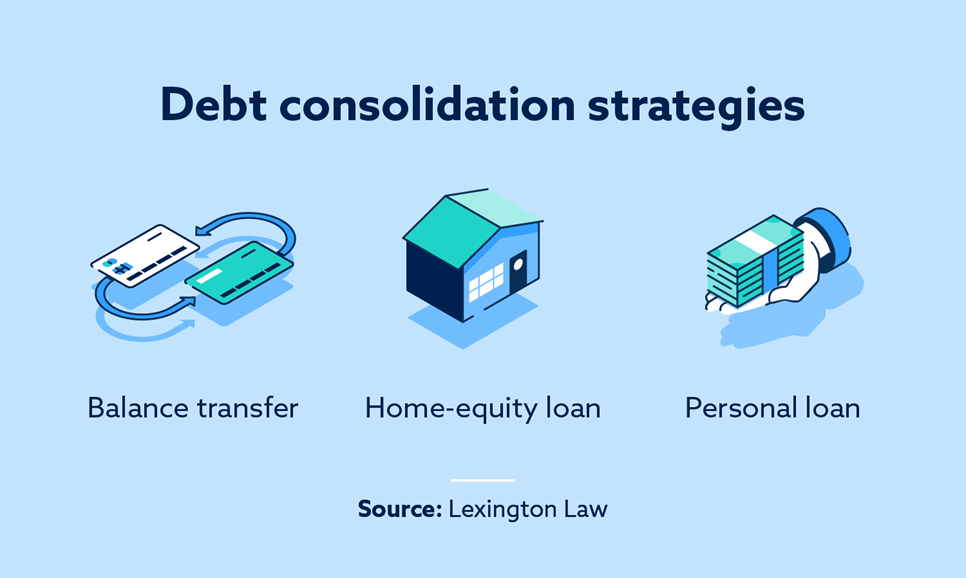
It can help you pay down financial obligation if you're able to protect a car loan price that's reduced than the ordinary price of the accounts you're consolidating. You need to refrain from racking up financial debt on those recently cleared accounts or your debt could grow also higher.
That provides you plenty of time to eliminate or dramatically lower your balance while making interest-free payments.
Rumored Buzz on Evaluating Debt Forgiveness Organizations in Today's Market
You may require it if your lender or a debt collector ever before attempts to collect on the financial debt in the future. The letter could prove you don't owe what the collection agency's records reveal. Yes, for the most part, the IRS thinks about forgiven financial debt as gross income. When a lending institution forgives $600 or even more, they are needed to send you Form 1099-C.
Debt forgiveness or negotiation usually hurts your debt. Anytime you clear up a financial obligation for much less than you owe, it might appear as "resolved" on your credit record and impact your credit history for seven years from the day of negotiation. Your credit report can likewise go down significantly in the months resulting in the mercy if you fall back on settlements.
Top Guidelines Of Developing Post-Financial counseling for veterans in South Carolina who have multiple high interest debts Budget for Long-Term Success
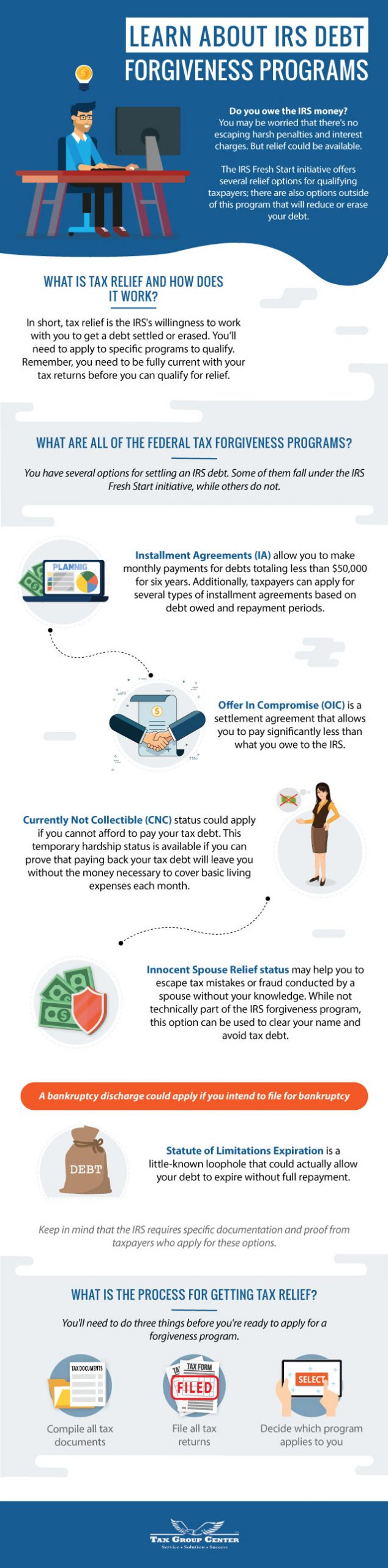
Tax obligation financial debt concession programs Tax obligation financial debt occurs when the quantity of tax obligations you owe surpasses what you have actually paid. This circumstance often arises from underreporting income, not submitting returns on schedule, or inconsistencies located throughout an internal revenue service audit. The consequences of gathering tax obligation debt are major and can consist of tax liens, which give the internal revenue service a lawful case to your property as security for the financial obligation.
Wages and Bank Accounts IRS can levy (seize) earnings and bank accounts to satisfy the debt. Home Seizure In severe instances, the Internal revenue service can confiscate and sell residential property to cover the financial obligation.
Clinical depression, stress and anxiety, and various other mental wellness concerns. Social Stigma Encountering legal activity from the IRS can carry social preconception. Damage to online reputation and partnerships. Employment Opportunities A poor credit history due to exhaust financial obligation can restrict job opportunity. Problem searching for or maintaining a task. Government Benefits Tax obligation financial obligation might affect eligibility for federal government benefits, such as Social Safety and Medicaid.
A Biased View of Understanding Multiple Financial counseling for veterans in South Carolina who have multiple high interest debts Offered Today
The OIC considers numerous elements, consisting of the taxpayer's income, costs, possession equity, and ability to pay. Efficiently working out an OIC can be complex, requiring a complete understanding of the IRS's standards and a strong debate for why your offer straightens with your capacity to pay. It is essential to note that not all applications are accepted, and the process requires in-depth financial disclosure.
The internal revenue service evaluates your overall financial situation, including your income, expenditures, possession equity, and capability to pay. You should also be current with all declaring and payment demands and not be in an open bankruptcy proceeding. The internal revenue service likewise considers your compliance history, examining whether you have a record of timely filing and paying tax obligations in previous years.
The 10-Minute Rule for Immediate Consequences of Your Credit Score
The application process for an Offer in Concession involves numerous detailed steps. Initially, you have to finish and submit internal revenue service Form 656, the Offer in Concession application, and Form 433-A (OIC), a collection information declaration for individuals. These kinds call for extensive monetary details, including details regarding your income, debts, expenditures, and assets.
Back taxes, which are unpaid tax obligations from previous years, can substantially boost your complete internal revenue service debt if not attended to immediately. This debt can build up rate of interest and late settlement fines, making the initial amount owed a lot larger with time. Failing to pay back tax obligations can result in the internal revenue service taking enforcement actions, such as issuing a tax lien or levy versus your residential or commercial property.
It is necessary to resolve back tax obligations immediately, either by paying the complete quantity owed or by setting up a repayment strategy with the internal revenue service. By taking aggressive actions, you can prevent the buildup of additional passion and charges, and protect against more hostile collection actions by the internal revenue service.
One usual reason is the idea that the taxpayer can pay the total either as a lump amount or with a payment plan. The IRS also takes into consideration the taxpayer's earnings, expenditures, property equity, and future earning capacity. If these elements indicate that the taxpayer can pay for to pay even more than the provided amount, the internal revenue service is most likely to decline the deal.
The 5-Minute Rule for Restoring Your Credit Rating Following Bankruptcy
It is essential to supply exact and full details in your application and to seek advice from with a tax specialist to improve the chances of acceptance. Handling IRS debt can be complicated and daunting. Tax obligation professionals, such as CPAs, tax obligation lawyers, or enrolled agents, can provide important support. They have the competence to navigate the intricacies of tax obligation law and internal revenue service procedures.

Table of Contents
Latest Posts
)
Is Debt Forgiveness Appropriate for Your Situation - Questions
The Only Guide for What to Expect Throughout the Debt Forgiveness Process
Prevalent False Beliefs Regarding Financial counseling for veterans in South Carolina who have multiple high interest debts Things To Know Before You Get This
More
Latest Posts
Is Debt Forgiveness Appropriate for Your Situation - Questions
The Only Guide for What to Expect Throughout the Debt Forgiveness Process